LOGO DESIGN
A logo plays a crucial role in shaping and communicating a company’s brand identity. Among the visual elements such as the company name, colors, typography, and overall design, the logo stands out as one of the most significant components. Therefore, it’s essential to give special attention to the logo design process.
A well-designed logo helps distinguish a company from its competitors and makes the business instantly recognizable to consumers. This distinctiveness and clear identification can be key to the company’s growth.
The logo also plays a vital role in the company’s marketing communication. It can appear on the business’s website, products, business cards, and other marketing materials. A consciously developed logo communicates a clear and cohesive message to consumers, which helps strengthen the company’s image.
In summary, a logo is a valuable asset that improves brand recognition and identification, reinforces the company’s image, and supports marketing communication efforts.
Steps in the logo design process
The logo design process typically consists of several stages. Below are the most important steps:
- Internal research: The designer needs to understand the company, including its history, values, and goals, in order to define the direction of the logo design.
- Competitor analysis: The designer assesses competitors’ logos to ensure the new logo can effectively differentiate the company.
- Inspiration gathering: The logo designer collects inspiration in the form of colors, shapes, typography, and other graphic elements.
- Sketching: Multiple logo drafts are created with varying styles, colors, and formats.
- Selection and refinement: Company representatives choose the most promising draft, which is then refined and finalized by the designer.
- Approval: Once the design meets expectations, it is approved and exported in different formats for various applications.
- Brand guide: If required, the logo designer can create a brand guide that documents the logo, including colors, fonts, and visual elements, to ensure consistent application across all platforms.
By following these steps, the logo designer can create a logo that aligns with the company’s brand identity, making it easily recognizable and unique.
What makes a good logo?
A logo is one of the most important visual elements for a business, as its main function is to grab attention and ensure instant recognition. A good logo typically has the following characteristics:
- Simple: A good logo is clean and minimal, with easily recognizable shapes and fonts that facilitate instant identification.
- Unique: It should clearly differentiate the company from its competitors.
- Timeless: A modern and well-crafted logo remains relevant and usable in the long term.
- Scalable: A good logo is legible and visually appealing across various sizes and platforms.
- Versatile: A well-designed logo can be used effectively in different contexts and color schemes.
- Relevant: It connects to the company and its values, helping convey its message and facilitate recognition.
- Memorable: A great logo is simple yet memorable, making it easy for consumers to recall.
By focusing on these elements during the logo design process, you can create an ideal logo that defines your brand’s identity and image and remains usable for the long haul.
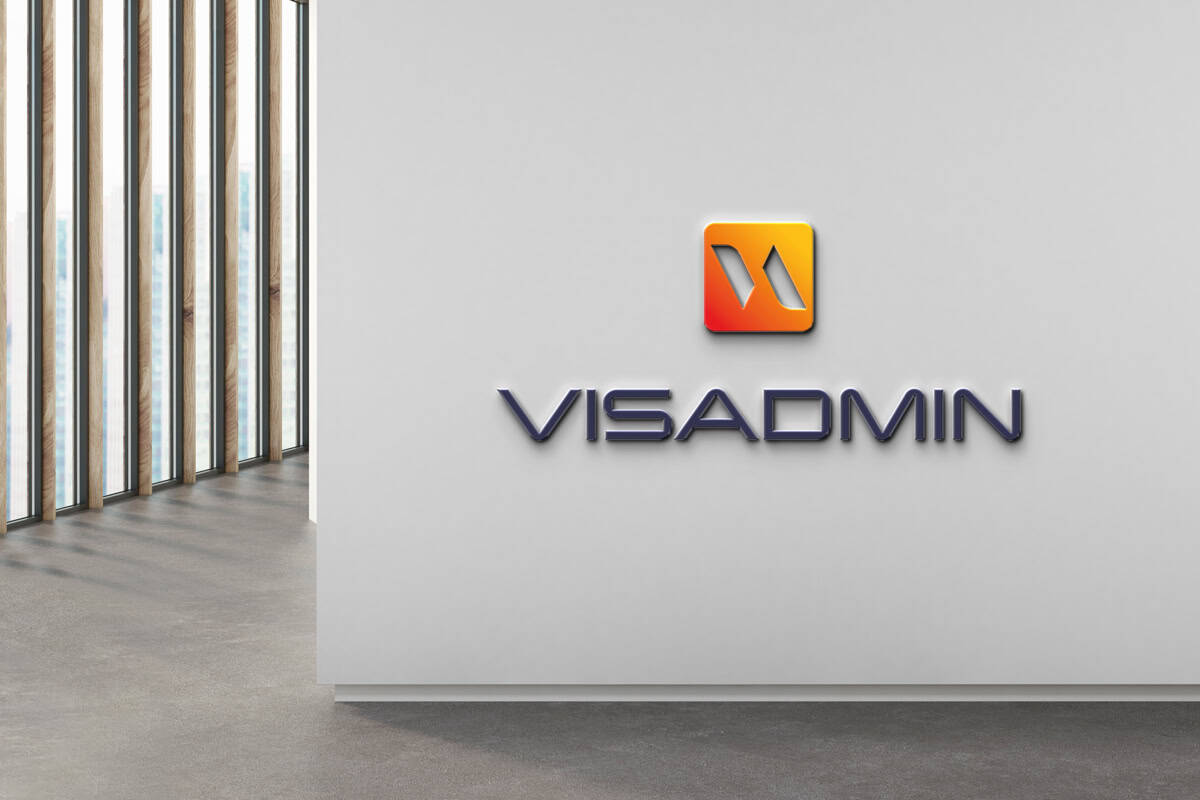
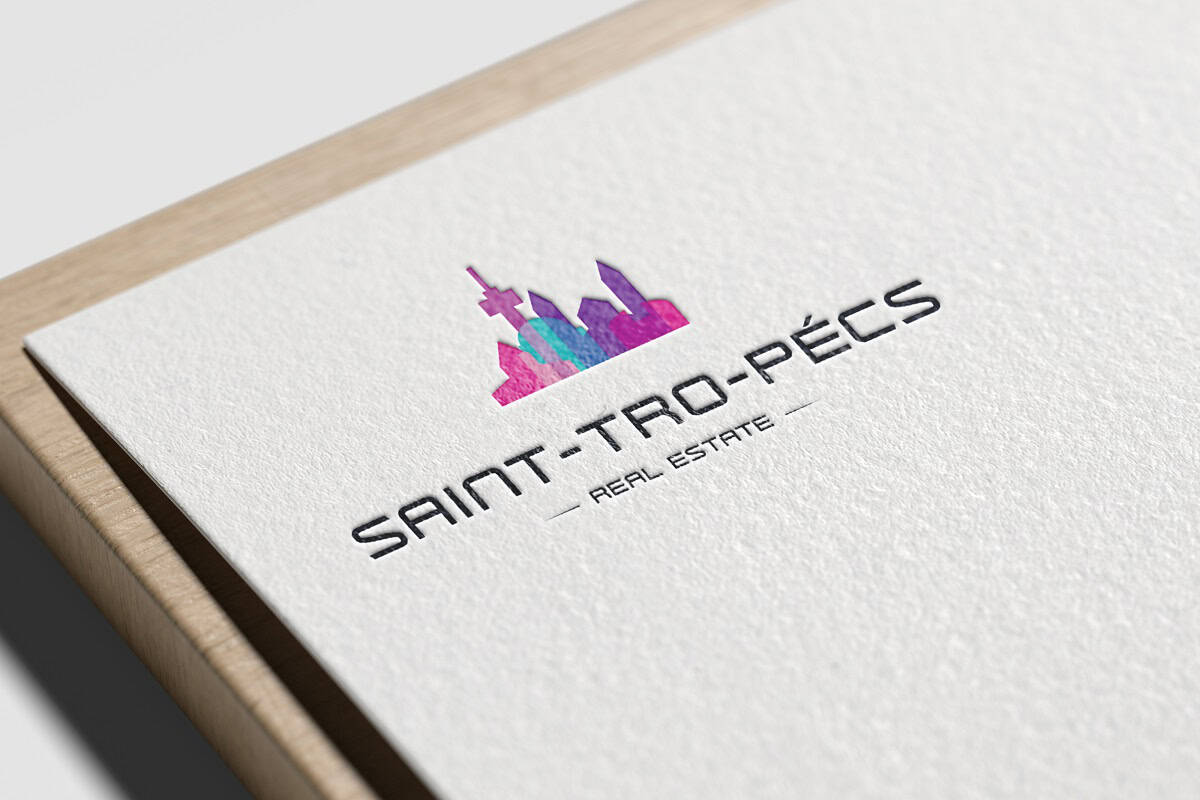
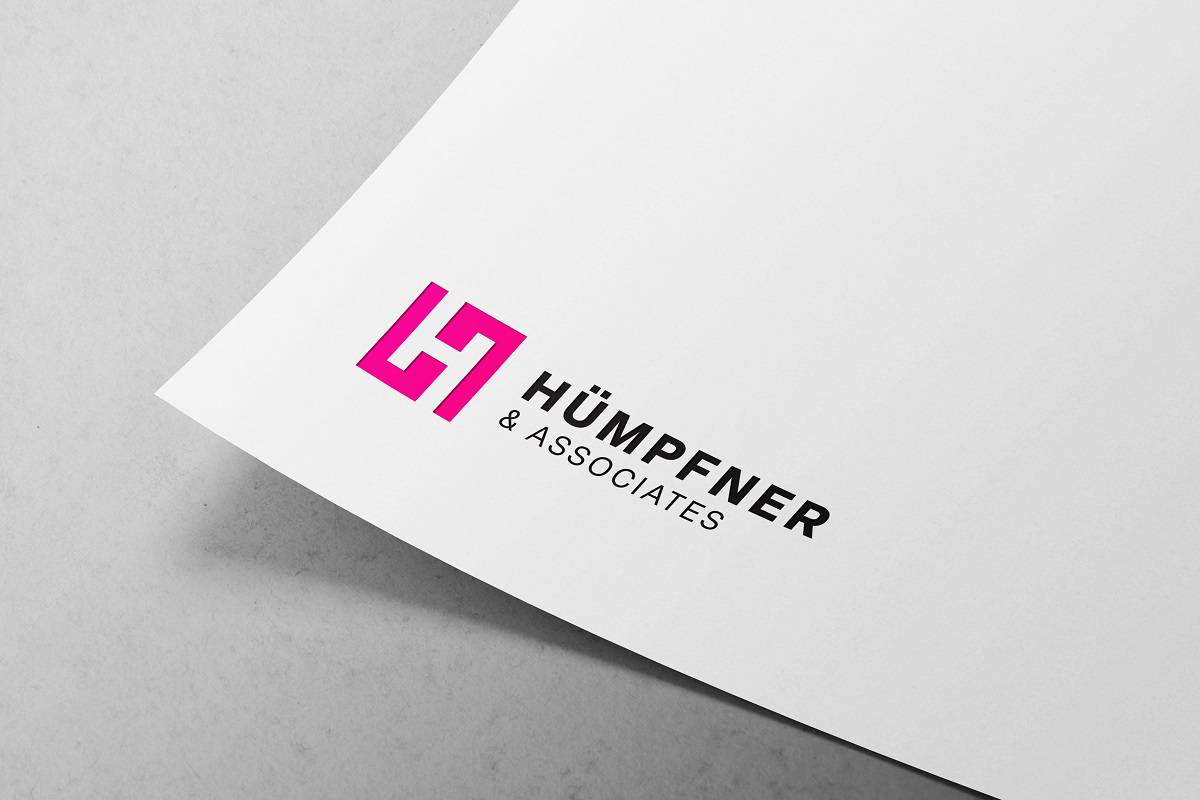
Néhány logótervezési munkánk

Bejegyzéseink a logótervezés témájában


Ready to bring your ideas to life?
Get in touch with us!
